Harvest & Mill: Cotton bundle on the left and industrial machinery with 'Made in U.S.A.' label on the right.

Our USA Organic Cotton Supply Chain

Always organically grown, spun, knit, milled, designed and sewn entirely in America.

Since 2012, every garment we make is crafted from seed to stitch through our 100% USA domestic and traceable supply chain.

Harvest & Mill: Two men standing in a field with a Texas-shaped cutout in the background

Organically Grown & Harvested

All the cotton we use is grown in the USA and is USDA certified organic. No toxic agrochemicals. No GMOs. Our farmers use regenerative practices and keep the land, the water we drink and the air we breathe clean and healthy.

Our organic cotton farms are located in California, Texas and New Mexico.

Harvest & Mill: Textile factory with large spools of thread and a worker in a warehouse setting.

Spun, Knit & Milled

Our organic cotton is spun, knit and milled at heritage mills in the American South. These mills have been family-owned for generations and are keeping American textile manufacturing alive.

Our mills are located in North Carolina, South Carolina, Georgia and Alabama.

Harvest & Mill: Collage of a person using a sewing machine

Designed & Sewn

All of our clothing is designed in Berkeley and sewn by the legendary San Francisco sewing community. We work with five family-owned factories, all within 15 miles of our studio in Berkeley. We know the artisans who make our clothes.

Our factories are located in San Francisco, Oakland, Emeryville and Berkeley, California.

Harvest & Mill: Spinning machine with spools of thread in a textile factory.

We believe in radical transparency. Scroll down to explore our supply chain in more detail.

USDA Certified Organic Cotton

Since 2012, every garment we've made has started with USA grown organic cotton. This commitment has never changed. Every bale of organic cotton Harvest & Mill uses is traceable back to the American farm it was grown on.

All of the cotton we use is grown and certified organic under the USDA National Organic Program (USDA-NOP), the same federal standard that governs how your local organic fruits and vegetables are grown. This certification prohibits synthetic pesticides, herbicides and fertilizers and bans GMO seeds. It is not a voluntary pledge or a brand promise. It is a legally enforced federal standard with annual audits. Every bale of cotton we source is traceable from the field to our studio.

Harvest & Mill: Close-up of fluffy white cotton bolls bursting from tan cotton bolls, with blurred green foliage in the background.

Our American Organic Cotton Farmer Partners

Harvest & Mill sources our natural-white organic cotton, Gossypium hirsutum, from family farms in California, Texas and New Mexico. They are small, independent, family-owned operations certified under the USDA National Organic Program. These farms are some of the longest standing organic cotton fields in the country. Our trailblazing farmers have been growing organic for decades because it’s healthier for their land, for their communities and because they see the benefits with their own eyes. The American Southwest can be ideal for organic cotton growing because cold winters minimize pests and encourage the plant’s leaves to fall off before harvest time. The warm sun, low humidity and loamy sand soils let excess water seep deeper into the ground and prevent damp conditions, making weed control easier and eliminating the need for toxic agrochemicals. These farmers work with nature, not against it.

Sally Fox

For our naturally colored Heirloom Brown Collection, we work with one of the most visionary figures in modern American cotton breeding, Sally Fox. She is widely recognized as the pioneer of naturally colored cotton that can be spun on commercial textile machinery, work she has continued for decades through her farm and seed breeding program. Up at her Viriditas Farm in the Capay Valley, Sally breeds her cotton on her diverse biodynamic farm. For production growing, her naturally colored cotton is grown at Alvarez Farms by Dosi Alvarez in the Mesilla Valley, New Mexico.

We first met Sally through the organic farming community in Northern California. In 2016, we drove the hour and a half from Berkeley to Brooks to visit her 160 acre farm and were stunned by the beauty. We were used to seeing monochrome white, wispy clouds of cotton in the fields and were not prepared for the colorful sea of rusts, reds, browns and greens of Sally Fox’s naturally colored cotton, swaying in the hot valley breeze. We knew that day we had to work with Sally’s cotton. Harvest & Mill’s first piece with Sally Fox’s cotton was designed in 2016, a green-grey French Terry sweatshirt. This marked the beginning of our Organic Heirloom Brown Collection.

Regenerative Farming Practices

While USDA certified organic cotton legally requires healthy growing practices, our farm partners go beyond organic certification. They use regenerative practices that actively rebuild the land rather than simply maintaining it.

Regenerative cotton farming is an approach to farming and a collection of techniques that focus on rebuilding the health of the farm ecosystem. Farmers employ cover cropping to reduce soil erosion and nutrient runoff, while increasing organic matter and carbon sequestration. Farmers use integrated pest management, eliminating the need for toxic pesticides. Regenerative farming also improves drought and flood resiliency. Healthy soil is alive. It holds water like a sponge during droughts and releases it slowly. The healthier the soil, the less a farmer needs to intervene. Regenerative practices build this capacity over time, making farms more resilient to the extreme weather that comes with a changing climate.

Our organic farmers don’t just plant cotton. They also grow organic wheat, sorghum, peanuts, beans, sesame and more. They employ crop rotation in between cotton plantings to replace nutrients the soil has used by previous crops, such as nitrogen. While conventional cotton farms spray chemical nitrogen fertilizers, regenerative farmers plant legumes that have a symbiotic relationship with Rhizobia bacteria in the soil, allowing the plant to use atmospheric nitrogen as a nutrient.

These techniques and more help soils retain their nutrients, build productive soil biomes and improve long term farm health. Our farmers care about the health of their own farms and the environmental health of their communities. They steward thousands of acres of land in America and help keep our natural resources clean.

Why US Organic Cotton Matters

Conventional cotton is one of the most chemically intensive crops in the world. Despite covering just 2.4% of the world's cultivated land, it uses 6% of the world's pesticides and 16% of its insecticides. In the US alone, 98 different pesticides are applied to cotton, and ten of them contain PFAS, the "forever chemicals" linked to cancer, hormone disruption, and long-term environmental contamination. Those chemicals don't stay on the farm. They leach into groundwater and affect surrounding communities.

Organic farming doesn't just produce healthier and cleaner cotton. It produces healthier land, safer water, and cleaner air for all of us. By sourcing 100% USDA certified organic cotton exclusively from American farms since 2012, Harvest & Mill has been a leader in sustainable and non-toxic clothing design for well over a decade.

Harvest & Mill: Black and white close-up photograph of a vintage Ford tractor, showing part of the hood, a round front headlight, and the Ford logo on a white painted metal surface.
Harvest & Mill: Two men standing outdoors in a farm field at sunset, one wearing a white t-shirt with 'Keep the Culture in Agriculture' printed on the front and a cap, and the other wearing a plaid shirt and khaki pants.
Harvest & Mill: Person handling a large bale of cotton in a cotton gin

American Heritage Mills

After ginning, our organic cotton travels east to the historic heart of American textile milling in the Carolinas, Georgia and Alabama. These are the mills that didn’t quit when times were tough, these are the mills that are doing more than turning wispy cotton bolls into fabric. They are keeping communities together and keeping the legacy of American manufacturing alive for clothing brands like Harvest & Mill.

When NAFTA passed in the 1990s and global supply chains became the norm, most American fashion brands moved production overseas because it was cheaper. Countless domestic textile mills closed. The ones that survived did so through sheer grit, craft, community roots, and generational commitment. We are proud to work exclusively with these mills. Every one of them is locally owned and operated, some are family owned for generations. They are pillars of their local communities, providing jobs and keeping craft alive in the American South. We believe supporting them is inseparable from what it means to make clothing responsibly.

When we first visited our mills, it was an eye-opening experience. To turn the agricultural crop of organic cotton into the fabric that our design team works with, it takes a symphony of people and machines working together in close knit harmony. It’s a complex process that requires textile engineers, material experts, machine operators, truck drivers and more. This community welcomed us with open arms, as one more small business trying to keep the American textile industry thriving. Since 2012, every single mill we work with is located in the USA.

Harvest & Mill: Black and white photograph of a large spinning wheel with many spindles holding thread cones, set inside a textile factory.

How We Make Fabric in the USA

Spinning - Where Fiber Becomes Yarn

At our family-owned spinning mill, raw organic cotton fiber is cleaned, carded, combed, drawn, roved, spun and wound into yarn. We spin a range of yarn weights such as 20/1, 24/1, 30/1 gauge and more, depending on the weight and hand feel of the finished fabric we are designing. Our yarns are 100% organic cotton, ring-spun from carded and combed long-staple fiber.

Ring spinning is yarn that’s continuously twisted and thinned through a ring frame mechanism to provide a stronger and smoother yarn. Unlike open-end spinning, the ring and traveler mechanism adds twist that aligns and compacts the fibers tightly together, producing a yarn that’s highly durable, with superior softness and a significantly higher break strength for its weight. Our organic cotton ring-spun yarn is one of the highest quality yarns available for clothing. This is what goes into every Harvest & Mill garment.

Knitting - Where Yarn Becomes Fabric

Our family-run knitting mill turns yarn into fabric using circular knitting machines. These machines are engineered systems that require expert operators, precision calibration and decades of accumulated technical knowledge to run correctly. Even the knitting machines themselves are American-made by Carolina manufacturers.

The specific fabric construction determined by gauge, cut, loop configuration and fabric width is selected for each product style based on the weight, drape and the performance we want. A lightweight jersey tee requires different machine settings than a heavyweight fleece sweatshirt. Getting this right requires the kind of expertise that only comes from generations of experience on the factory floor.

Finishing - What We Leave Out

Our finishing philosophy is defined more by what we don't do than by what we do. We don't mix fiber or blend yarns, 100% of our fabrics are 100% organic cotton. Our fabrics are all non-toxic and we apply none of the chemical finishing treatments that are standard across the conventional apparel industry, treatments that most brands never disclose and most consumers never know are there. Organic cotton is naturally breathable, soft and flexible. These qualities come from the fiber itself. We don't need performance chemicals to manufacture what nature already provides.

Harvest & Mill’s Non-Toxic Fabrics

We don’t use toxic finishes on our 100% organic cotton fabrics. No PFAS (per- and polyfluoroalkyl substances, known as "forever chemicals"). No performance finishes. No stain resistance chemicals. No waterproofing or DWR (durable water repellent) coatings. No moisture-wicking hydrophilic polymers. No antimicrobial or anti-odor treatments (silver-ion or zinc-based). No formaldehyde resins, wrinkle-free or anti-shrink treatments. No mercerization. No flame retardants. No heavy metals. No perfumes. No phthalates or plastisol. No endocrine-disrupting chemical finishes. No microplastics. Zero synthetic fiber content. Zero plastic fabric content.

Why Non-Toxic Fabrics Matter

Most consumers have no idea how many chemical treatments are applied to fabric before it becomes clothing. Conventional finishing is an entire industrial category of chemical processes applied to make fabric wrinkle-resistant, stain-repellent, antimicrobial, moisture-wicking or dimensionally stable. Many of these treatments involve PFAS compounds, formaldehyde-based resins, heavy metal mordants, and synthetic polymer coatings that sit on the fiber surface, release slowly over the garment's life, and are absorbed transdermally through repeated skin contact. These chemicals don't just affect our bodies. They pollute water, air and land, causing lasting harm to the earth and future generations. We skip all of it because we believe fabric that goes next to your skin should contain only what it says it contains. At Harvest & Mill, that means organic cotton. That's it.

Harvest & Mill: Textile production process with spools of yarn and machinery in a factory setting
Harvest & Mill: Person walking through a textile factory with rows of spinning machines.
Harvest & Mill: Spools of white thread with green ends on wooden crates in a factory setting

Designed and Sewn in the San Francisco Bay Area

Since 2012, every Harvest & Mill garment is designed in Berkeley and sewn within 15 miles of our design studio by the legendary San Francisco sewing community. This is where our supply chain comes full circle.

Our Berkeley Studio

Berkeley is the birthplace of the modern American farm-to-table movement. That same ethos of knowing the growers and makers of your ingredients and valuing those relationships is in the air here and inspired our seed-to-stitch clothing design philosophy. We're based in the West Berkeley neighborhood, the city's historic manufacturing hub, where builders and creatives now work side by side.

The San Francisco Sewing Community

San Francisco’s garment industry has its roots in the Gold Rush era and the birth of denim jeans. Many major brands operated and manufactured here through the years but most of them abruptly left when NAFTA passed in the 1990’s. The community that remains is one of the most skilled and experienced sewing communities in America, with a deep commitment to craft and legacy. We work with five independent, family-owned factories in San Francisco, Oakland, Emeryville, and Berkeley. Some factories are owned and run by married couples, some by sisters, some passed down through generations. Each one specializes in specific garment types, constructions or processes. We visit these factories regularly. We know the owners. We know the workers. We don't rely on voluntary third-party audits that happen once a year with advance notice. We verify working conditions ourselves, in person, through direct ongoing relationships. This is what radical transparency actually looks like.

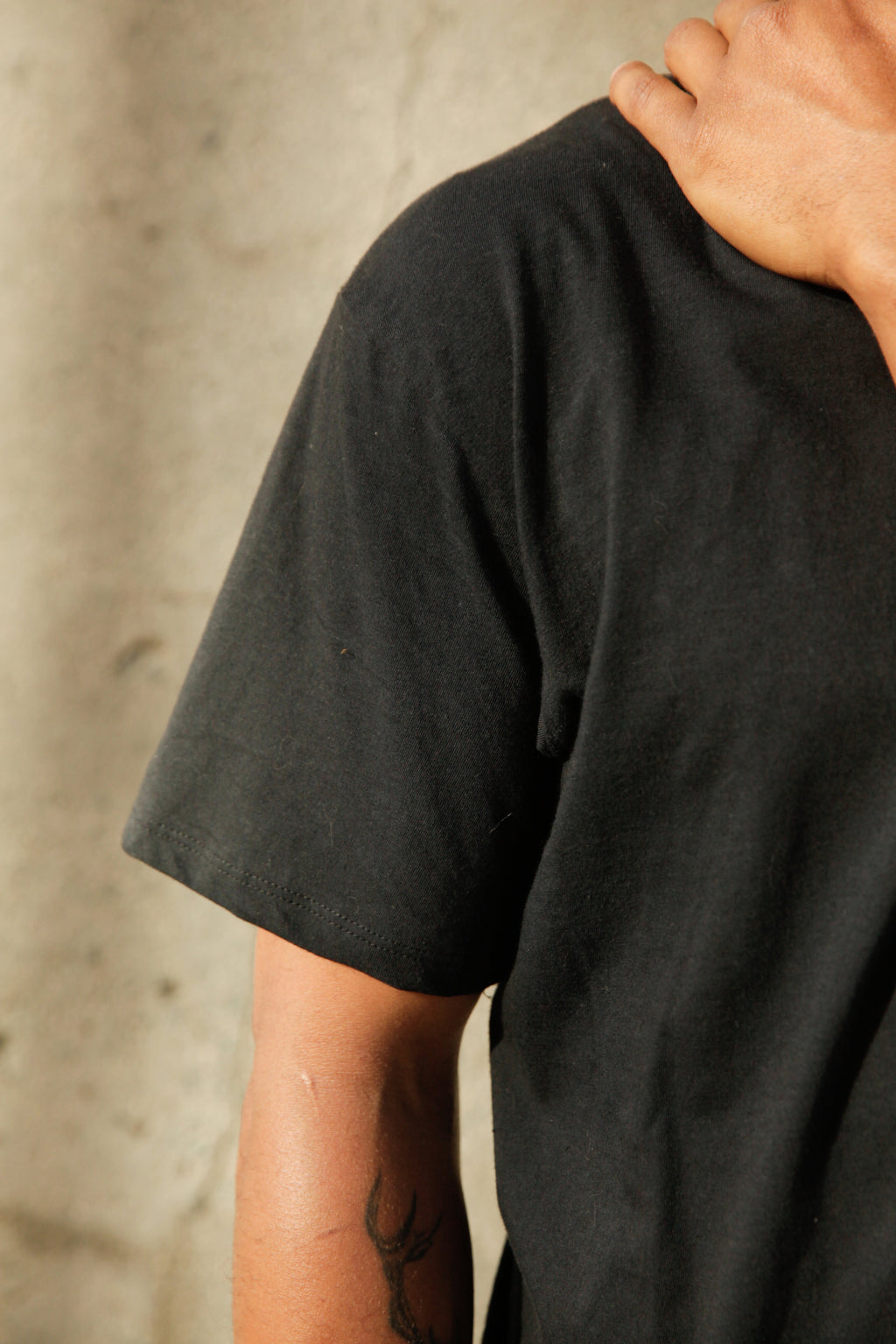
Harvest & Mill: A close-up of a person's arm and hand pulling up the sleeve of a light-colored t-shirt.

Inside an American Sewing Factory

As clothing designers, when we walk into a sewing factory in San Francisco, we are always impressed by the skill, creativity and ingenuity of our sewing partners. To cut and sew even a basic tee shirt requires many stages, some happening simultaneously, others in perfect sequence. Each artisan is a master of their craft. The cutter spreads fabric with exacting evenness on grain, cutting every garment panel within a hairline of the pattern. Each seamster calibrates their machine to achieve a balanced tension with individual threads and unique fabrics. This calibration alone is a skill that takes years to develop and an experienced seamster can often hear or feel a problem before they see it. The various machines are each run by a specialist for a particular stitch and application. Some professional seamsters excel at the overlock serger machine, which needs management of multiple threads each requiring perfect timing, while also controlling the speeds and ratios of differential feed adjustment. Others prefer the coverstitch machine, which demands a heightened attention to accurately match fabrics of different stretch levels and requires finesse and consistency. To sew a garment properly and professionally, you need to have the understanding and precision of an engineer with the hands of a sculptor. Since 2012, every Harvest & Mill garment has been sewn by these artisans, with care and pride, right here in the San Francisco Bay Area.

Workers’ Rights in California

Sewing our clothing in California means our garments are made under some of the strongest garment worker protection laws in the United States. These are not voluntary certifications or brand pledges. They are legally enforceable laws with real consequences for non-compliance. California was the first place in the world to make brands and retailers jointly liable for wage theft in their contracted factories, a landmark legal standard that has inspired legislation at the federal level and in other states. All workers are guaranteed overtime compensation by law. All workers have federally protected rights to unionize and collectively bargain. All workers have anti-discrimination protections by law. All workplaces must meet strict safety standards for ventilation, equipment, and emergency access, enforced by federal regulators. Most global fashion brands rely on voluntary third-party audits, inspections that are typically announced in advance and carry no government enforcement or legal consequences for violations. Every Harvest & Mill garment is sewn in California, where workers are protected by laws and not just promises.

Why Local Manufacturing Matters

The San Francisco Bay Area is one of the most economically dynamic regions in the world, and one of the most unequal. The tech industry has reshaped the region's economy in ways that are brilliant and destabilizing at the same time, concentrating wealth, driving up the cost of living, and making it harder for working people in skilled trades to stay in the communities they built. A city is not just its highest profile industry. A thriving, diverse metro area needs writers and nurses, teachers and carpenters, chefs and seamsters. It needs people who make things with their hands, who have spent decades mastering a craft, who show up every day to a workshop rather than an open-plan office. When those jobs disappear from a city, something irreplaceable goes with them. Not just livelihoods, but knowledge, culture and community. San Francisco's sewing community is one of the most storied garment manufacturing communities on the West Coast, stretching back over 150 years. By sewing our clothing locally, Harvest & Mill is helping to keep a San Francisco where craft is just as important as code.

Harvest & Mill: Close-up of a sewing machine and lamp
Harvest & Mill: Two people holding a roll of natural organi cotton fabric.
Harvest & Mill: Sewing tags on a sewing machine

How We Verify Our Supply Chain

Most other fashion brands don't actually know their supply chain. They know their paperwork. They work with layers and layers of brokers and wholesalers, rarely ever visiting the factory floor where their garments are made. They rely on third-party certification bodies to audit their suppliers, trust that the materials they ordered are the materials they received, and hope that nothing went wrong between the farm and the factory. When something does go wrong, accountability gets complicated quickly. We built a different system. Not because we distrust certifications, many are well-intentioned, but because we wanted something stronger and more meaningful. Harvest & Mill works directly with our American farm partners, our mill partners and our sewing factories. We visit them. We know the owners by name. We have seen the fields, walked the mill floors and sat with the seamsters at their machines. We don't outsource those relationships. We maintain them ourselves, continuously. We built this supply chain ourselves, supplier by supplier, relationship by relationship, since 2012. We don't need to just trust our supply chain. We know it.

That's why we named our brand Harvest & Mill, so we would always remember where our materials came from and all the work that came before us. Our name is an homage to our grown and sewn in the USA process, and a celebration of American craft, from seed to stitch.

Frequently Asked Questions

What does a fully traceable American clothing supply chain look like?

A fully traceable American clothing supply chain means every stage of the manufacturing process happens on US soil, not just the final stitch. For Harvest & Mill, that means organic cotton grown on family farms in California, Texas, and New Mexico, spun and knit at heritage mills in North Carolina, South Carolina, Georgia, and Alabama, then cut and sewn by family owned factories in the San Francisco Bay Area. Every manufacturing stage operates under US law. 

What does seed to stitch mean?

Seed to stitch describes a supply chain where every stage, from the literal organic cotton seed planted in the ground to the final stitch sewn into a finished garment, happens under one country's laws and oversight, with no outsourcing along the way. It's the opposite of a typical fashion supply chain, where cotton might be grown in one country, spun in another, and sewn in a third. For Harvest & Mill, seed to stitch means California, Texas, and New Mexico farms, North Carolina, South Carolina, Georgia, and Alabama mills, and San Francisco Bay Area sewing factories, all traceable, all American. 100% of Harvest & Mill clothing has been grown and sewn in the USA, from seed to stitch, since 2012.

How do I know if clothing is truly made in the USA?

A “Made in USA” label tells you very little about the actual journey your clothing took to get to you. True verification means asking where every stage happened, not just confirming a label exists. Harvest & Mill names every stage publicly: the states our cotton is organically grown in, the mills that spin and knit it, and the sewing factories that assemble it. We don't rely on a label alone. We rely on a relationship with every supplier in our chain, verified in person, not just on paper. Since 2012, every single Harvest & Mill garment has been made this way.

Is organic cotton really better than conventional cotton?

Yes. On every measure that matters for your health and the environment. Conventional cotton accounts for just 2.4% of the world's cultivated land but uses 6% of the world's pesticides and 16% of its insecticides, including chemicals containing PFAS, or "forever chemicals." Organic cotton, certified under the USDA National Organic Program, prohibits synthetic pesticides, herbicides, and fertilizers entirely, and bans GMO seeds. The fiber itself isn't structurally different, but how it's grown changes everything about its impact on farmworkers, surrounding communities, the water supply and you, the person who wears these fibers. 

Is 100% organic cotton non-toxic?

Growing cotton organically removes the synthetic pesticides and chemical fertilizers used in conventional farming, but that's only half the story. What happens after harvest matters just as much. Many garments are still treated with chemical finishing agents, including PFAS, formaldehyde resins, and more, during manufacturing. True non-toxic clothing requires both organic growing and non-toxic finishing. Harvest & Mill fabric contains no toxic chemical finishing treatments of any kind, no PFAS, no formaldehyde, no flame retardants. What reaches you is organic cotton, and nothing else.

What clothing brands are made in the USA?

A small number of American clothing brands still manufacture domestically at every stage. Harvest & Mill is one of fewer still that also grows its raw material, organic cotton, on American farms. Most brands that carry a "Made in USA" label import their fabric or yarn and only assemble garments domestically. Harvest & Mill's supply chain has been American at every single stage, from the organic cotton farm to the sewing factory, since 2012.

What are heritage cotton mills?

Heritage mills are textile mills, often family-owned for multiple generations, that survived the wave of offshoring that followed NAFTA in the 1990s, when most American textile manufacturing moved overseas. Harvest & Mill works exclusively with heritage mills in the Carolinas, Georgia, and Alabama, mills that have spun and knit American cotton for decades and remain pillars of their local communities. 

How does buying Harvest & Mill support the American economy?

Throughout our entire supply chain, we work only with small and independent American farms, mills, and factories. These small businesses hire local workers, use local services, and reinvest in their own communities. A strong local economy encourages entrepreneurship, resiliency, and innovation. The United States already has skilled workers and textile manufacturing infrastructure that are largely underutilized, using it has a lower environmental impact than building new infrastructure overseas. Supporting Harvest & Mill means supporting that local economy directly. 

Does Made in USA clothing actually last longer?

Quality comes down to the skill of the people making it. Our ring-spun, long-staple organic cotton yarn is widely considered the highest quality yarn available for apparel. The seamsters who cut and sew every Harvest & Mill garment have spent careers, often decades, mastering their craft. We stand behind that craftsmanship with a 100% stitch guarantee on every garment we make. If something does go wrong, just send us an email at hello@harvestandmill.com. We pride ourselves on our customer service, and every email is answered directly from our studio in Berkeley, no robots, no call centers, just real people who are passionate about organic cotton, non-toxic clothing and American manufacturing.

Harvest & Mill: Black and white close-up of a sewing machine in use with a person's hands guiding light-colored fabric under the needle.

Harvest & Mill, What We're Made Of

Founded: 2012, in Berkeley, California

Supply chain: 100% traceable, grown and sewn in the USA, seed to stitch, every manufacturing stage, since 2012

Cotton: 100% USDA certified organic, no GMOs, no synthetic pesticides or fertilizers

Organic cotton farms: California, Texas, and New Mexico

Mills: American heritage mills in North Carolina, South Carolina, Georgia, and Alabama

Sewing factories: Five independent, family-owned factories within 15 miles of our Berkeley studio, in San Francisco, Oakland, Emeryville, and Berkeley

Fabric: 100% of our fabrics are 100% US grown organic cotton and non-toxic

Chemical finishing: No toxic finishes. No PFAS, no formaldehyde, no flame retardants, no toxic chemical treatments of any kind

Dyes: Most of our garments are entirely dye-free and bleach-free. When we do add color, it's through low-impact, non-toxic dyes, or natural plant dyes

Worker protections: Every worker through our growing and manufacturing process is in the USA and legally protected by labor laws and agencies, including OSHA, the Fair Labor Standards Act, and more. Workers are protected by laws, not promises

Environmental protections: Manufacturing in the USA means our supply chain is subject to EPA environmental regulations at every stage, not voluntary guidelines

Packaging: 100% plastic-free. Made from recycled paper, recyclable, biodegradable, and home-compostable. Printed locally in the San Francisco Bay Area with soy and vegetable inks. Paper sourced from Illinois, Wisconsin, and California

Circularity: Proud member of California's Producer Responsibility Organization through Landbell USA under SB 707. Active participant in Fibershed's textile composting trials, helping pioneer end-of-life solutions for organic cotton clothing

Carbon neutral: Verified through Green Story using Life Cycle Assessment methodology aligned with the GHG Protocol and ISO 14064-1. We purchase carbon offsets verified by globally recognized registries such as The Gold Standard, the UN's Clean Development Mechanism (CDM), and the Climate Action Reserve. Read our full sustainability report →

Customer service: Every email answered personally from our Berkeley studio. No call centers and no robots hello@harvestandmill.com

Quality: Backed by a 100% stitch guarantee on every garment


Our 100% USA Traceable Clothing Supply Chain

Stage Location What Happens Who's Involved
Growing California, Texas, and New Mexico USDA certified organic cotton is planted, grown using regenerative practices and harvested USDA certified organic family farms
Ginning Near the farm region Raw cotton is mechanically separated from its seed, cleaned, and pressed into bales Regional gins, kept entirely separate from conventional cotton
Spinning North Carolina, South Carolina, Georgia, and Alabama Raw fiber is cleaned, carded, combed, and ring-spun into yarn American heritage mills
Knitting North Carolina, South Carolina, Georgia, and Alabama Yarn is knit into fabric using circular knitting machines American heritage mills
Finishing North Carolina, South Carolina, Georgia, and Alabama 100% organic cotton non-toxic fabric is made with no toxic chemical finishes American heritage mills
Design Berkeley, California Garments are designed, patterns are developed, concepts are tested. Creative and technical workshop Harvest & Mill's design studios
Cutting and Sewing San Francisco, Oakland, Emeryville, and Berkeley Fabric is cut, assembled, and sewn into the final garment Five independent, family-owned sewing factories
Quality Inspection San Francisco Bay Area Every finished garment is inspected before leaving the factory Same sewing factory partners
Customer Service Berkeley, California Every customer email answered personally Harvest & Mill's studio team
Harvest & Mill: Two people sitting on wooden steps outdoors

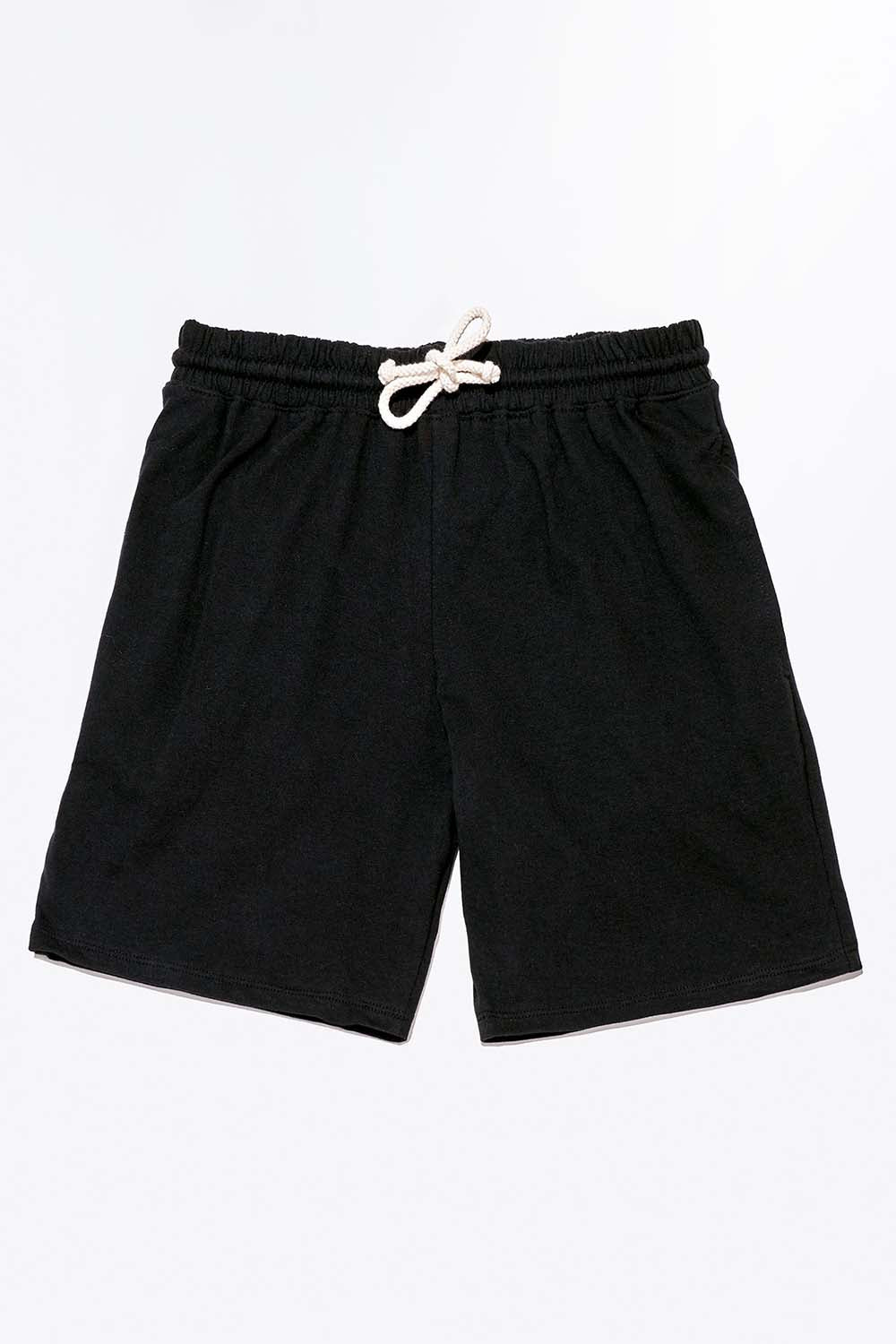
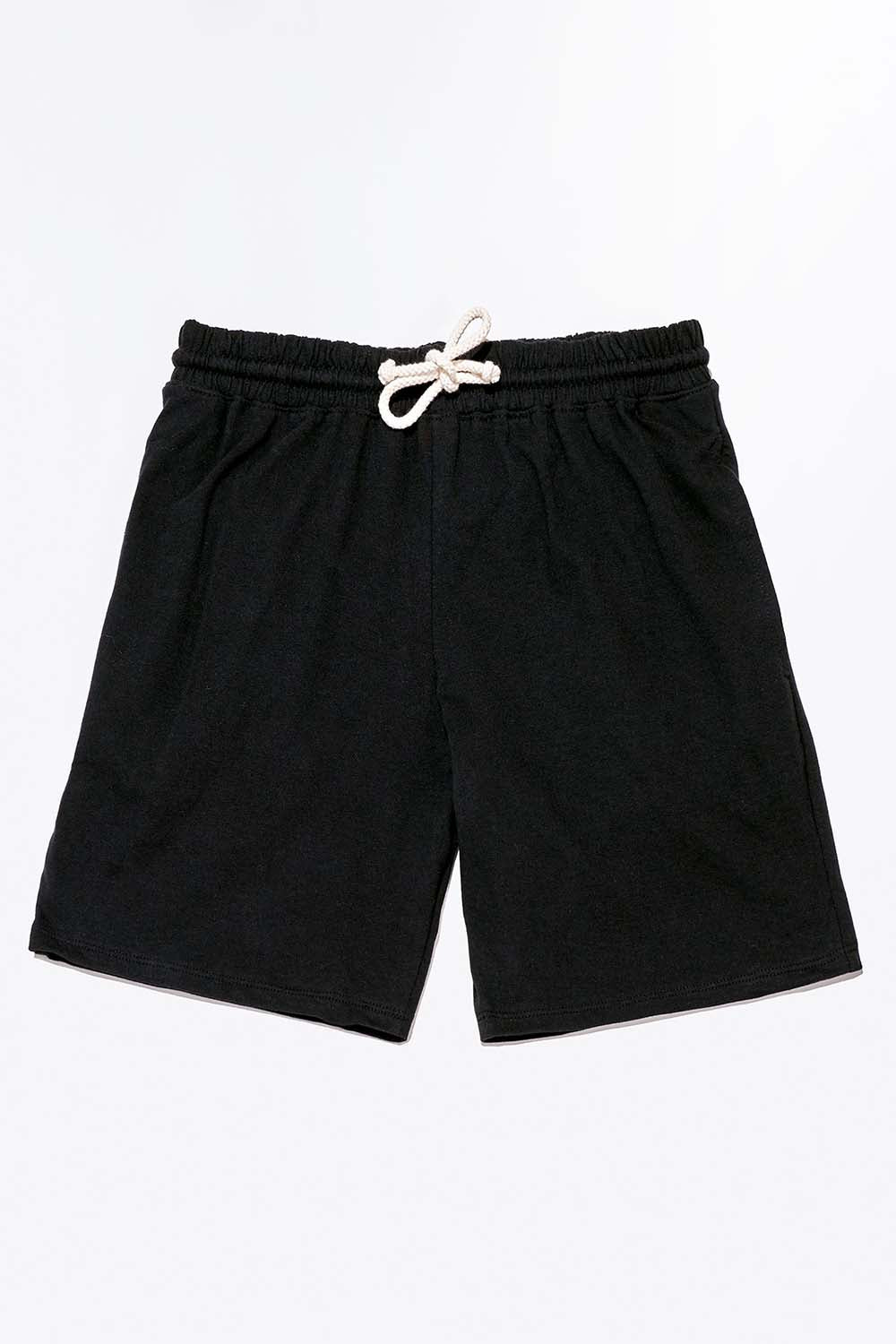
Organic Shorts

100% US grown organic cotton shorts. Non-toxic, naturally breathable and super soft. Shop now

Harvest & Mill: Two people in blue outfits standing on a concrete surface with a building in the background.

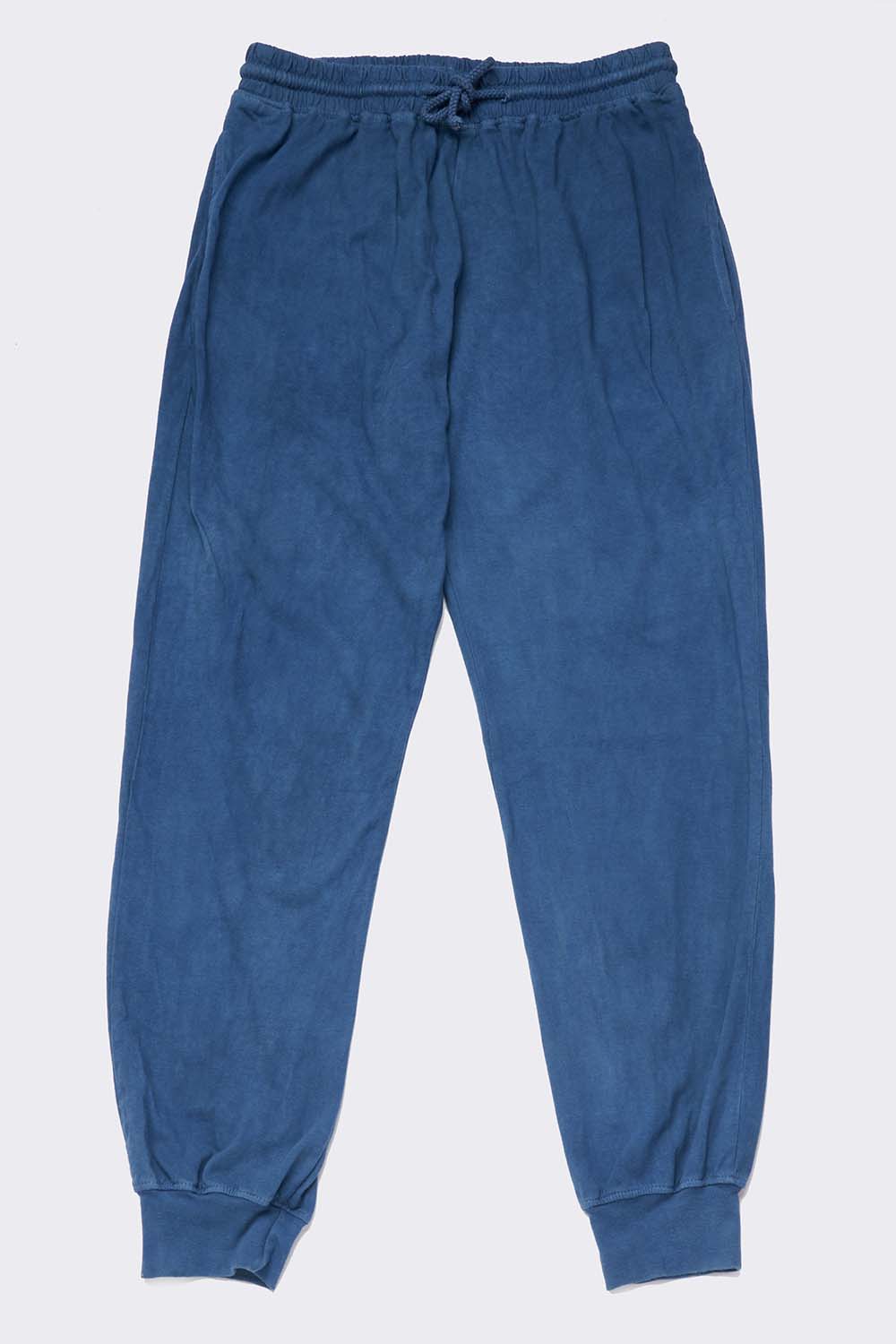
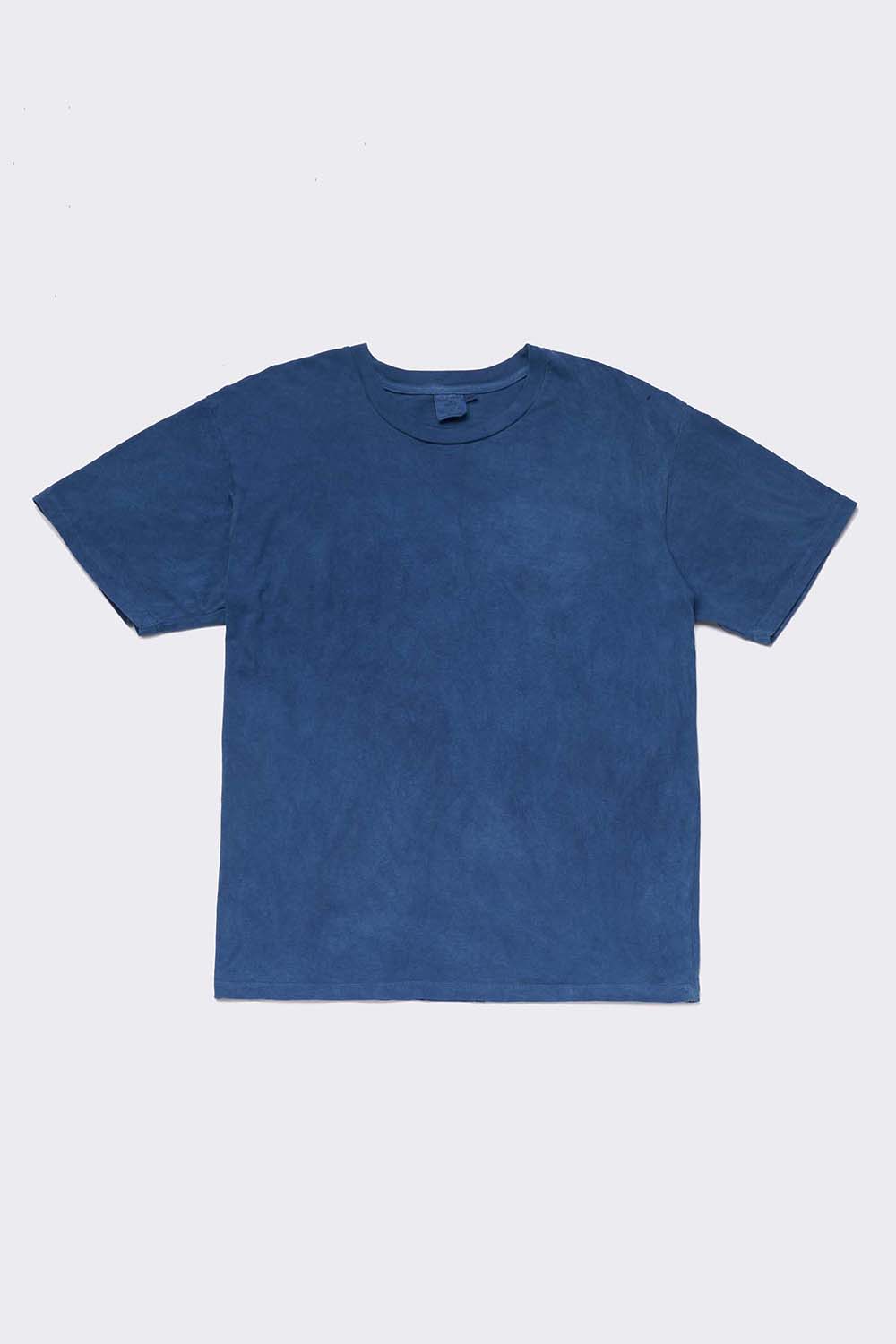
Indigo Collection

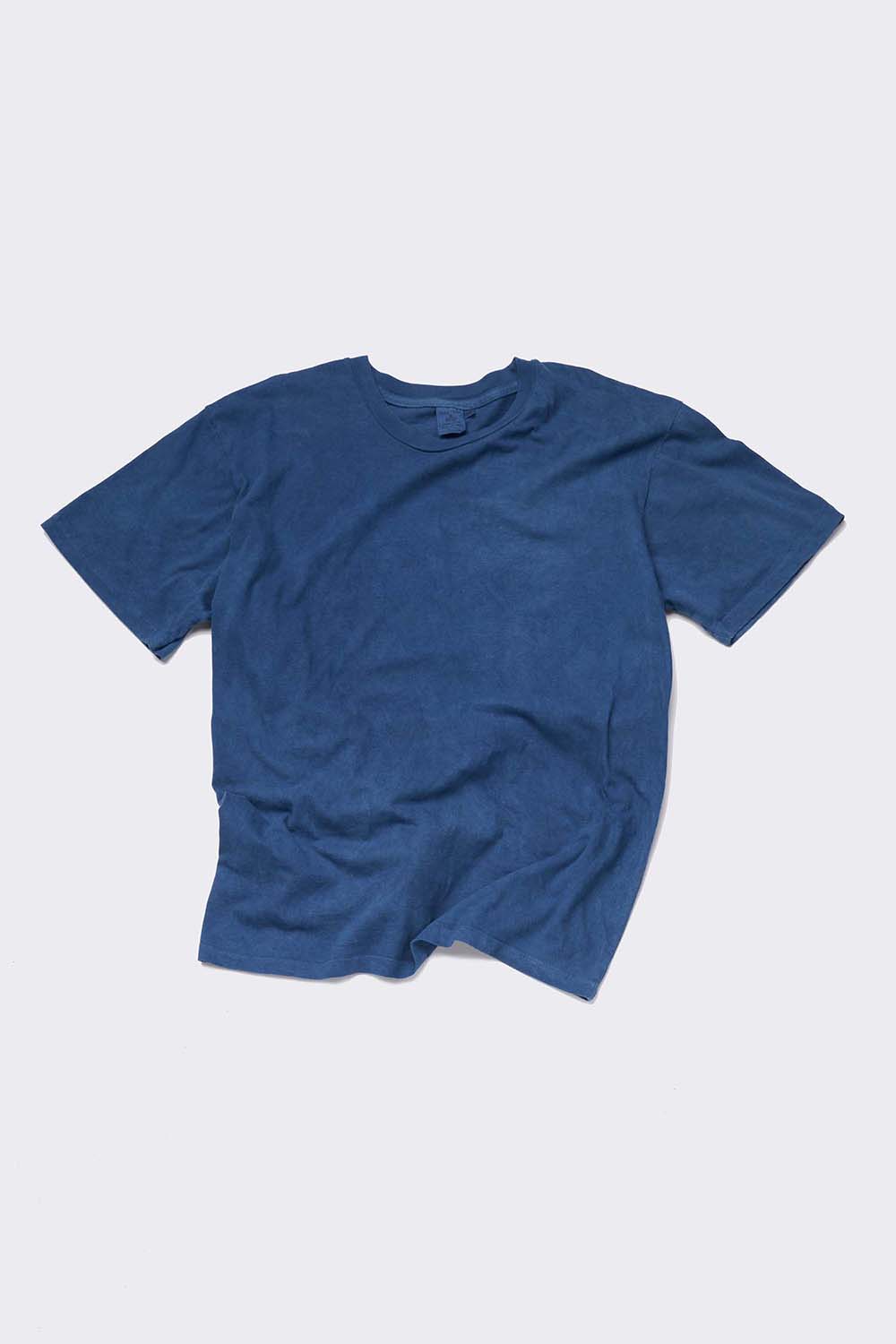
Hand-dyed in the USA with indigo plants. Shop now

Harvest & Mill: Two people in beige outfits sitting under a tree with a scenic background

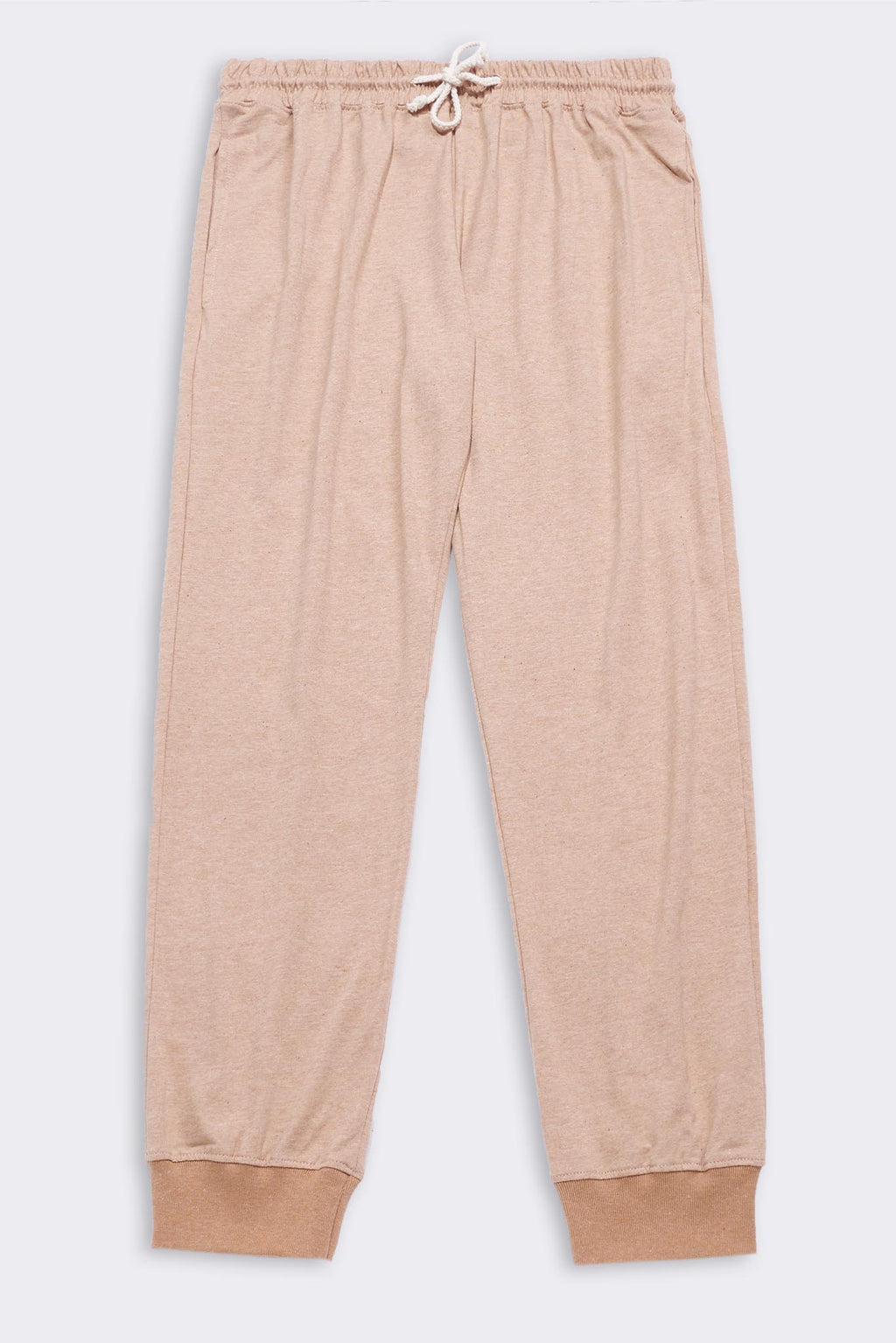
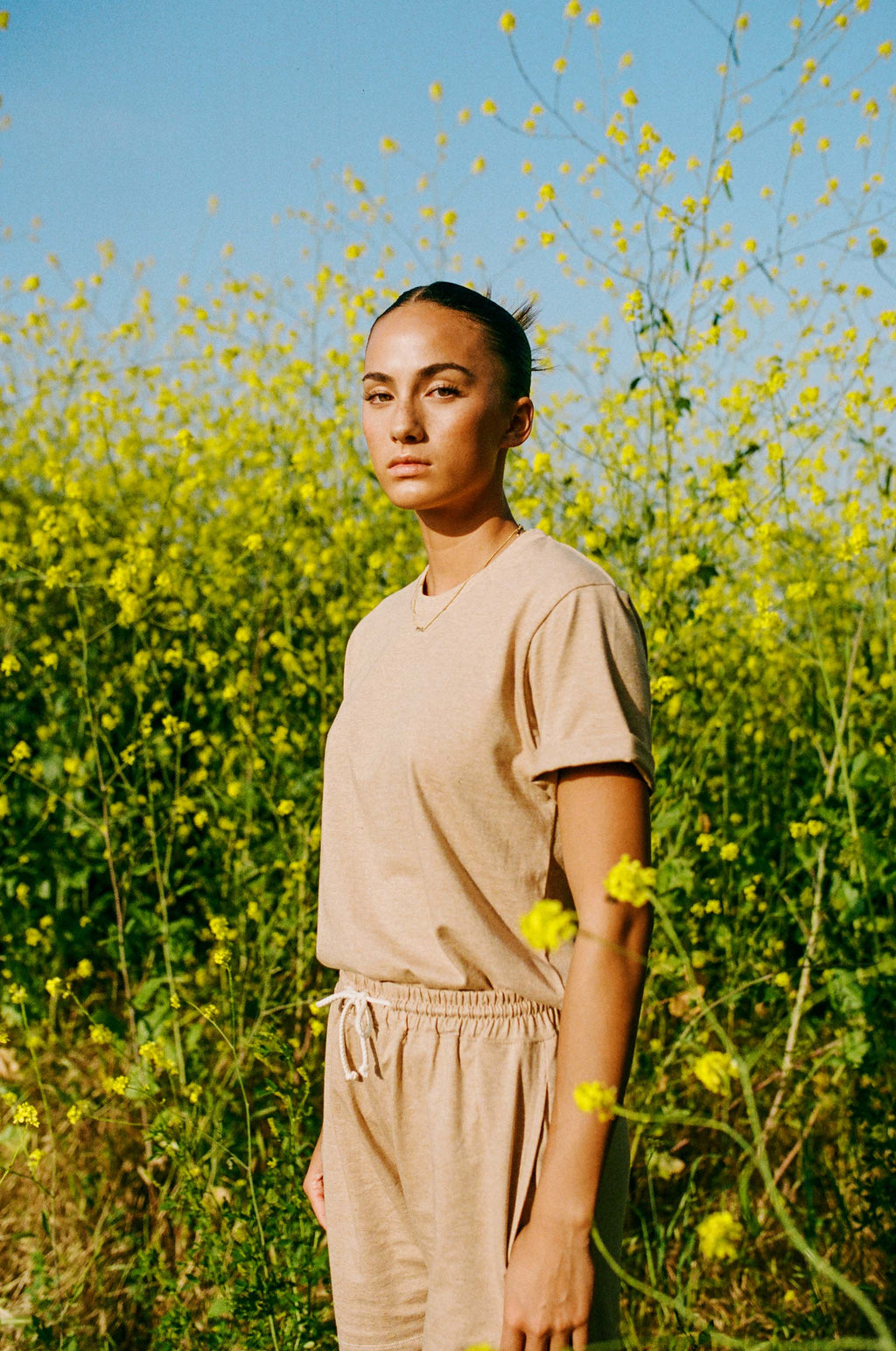
Organic Heirloom Brown

Made with organic dye-free cotton that will help detoxify and decarbonize the fashion industry. Shop now